
ALERT International Conference
Dinner Banquet & Scholarship Raffle
Sponsored By

RAFFLE - Benefit Bruce Cabral Scholarship Fund
“Do Something!” Moving Off the X with Vehicle Ambush
This course will examine different vehicle ambush events, identify multiple tactical response options (utilizing patrol tactics, EVOC and firearms training) and discuss how to train officers to use their vehicle to stay safe inside or outside of it. Attendees will be shown different basic drills/exercises that can be used to easily train officers involving vehicle ambush countermeasures to “Do Something!” Video will be used to demonstrate how one agency conducted the training being creative and cheap!
Mike Brady
Mike Brady has worked for the Lake Oswego Police Department (OR.) since 1993 and has been the training officer for the past 20+ years. He manages and is the lead instructor for EVO, PIT, Skid Car, firearms, less-lethal, use of force, patrol tactics, high risk stops, TASER, active threat, FTEP… Mike has instructed for local, state and federal agencies; and has presented at regional, national and international conferences.
Roadway Safety – Brighter Isn’t Always Better
Emergency warning lights are among the most recognizable tools used by police, fire, EMS, and other emergency responders, but are they always making responders safer? This engaging and evidence-based presentation examines the science behind emergency lighting and its role in alerting motorists, informing road users, and managing traffic around emergency scenes.
Attendees will explore the factors that influence visibility and safety, including light intensity, flash rate, color, waveform, mounting location, vehicle markings, retro reflectivity, and scene illumination.
Drawing on current standards, research, and field experience, this session will challenge conventional assumptions about emergency vehicle visibility and examine how lighting can both enhance and hinder safety. Participants will gain a deeper understanding of issues such as glare, visual overload, and driver distraction, while learning practical strategies for improving responder visibility without compromising roadway safety.
For EVOC instructors and emergency vehicle trainers, this presentation offers a unique opportunity to better understand how lighting influences driver perception, decision-making, and roadway risk. Attendees will leave with practical knowledge they can incorporate into driver training, collision reduction initiatives, fleet evaluations, and policy discussions, along with a better understanding of the questions agencies should be asking when evaluating emergency lighting systems and vehicle visibility packages.
Dr. John Bullough: Program Director
Light and Health Research Center
Icahn School of Medicine at Mount Sinai, Albany, NY
John Bullough is Program Director, Population Health Science and Policy, at the Light and Health Research Center, part of the Icahn School of Medicine at Mount Sinai in New York. He earned his Ph.D. in multidisciplinary science from Rensselaer Polytechnic Institute, and his research over the past 35 years has focused on transportation safety, visibility, glare, human factors and circadian rhythms. John is a Fellow of the Illuminating Engineering Society, and has written or co-written more than 500 articles and technical publications on lighting.
Test Results of ADAS Equipped Vehicles
How ADAS (Advanced Driver Assistance Systems) Affects Law Enforcement Operational Driving
As Advanced Driver Assistance Systems (ADAS) become standard features in modern vehicles, they are changing the way vehicles perform and creating new challenges for law enforcement officers operating both agency and civilian vehicles. Because law enforcement represents only a small fraction of the automotive market, the unique operational demands of emergency vehicle driving are rarely considered in the development and implementation of these technologies.
This course explores the impact of ADAS on law enforcement operational driving and highlights the collaborative research efforts between the Federal Law Enforcement Training Centers (FLETC) and the U.S. Department of Transportation's Highly Automated Systems Safety Center of Excellence (HASS COE). Participants will gain an understanding of current research findings, emerging trends, and the potential implications of future ADAS mandates on law enforcement operations.
Designed as an introductory course, this training provides officers, instructors, and fleet professionals with a foundational understanding of ADAS technologies in a law enforcement context. Students will leave better prepared to recognize how these systems influence vehicle performance, emergency response, pursuit driving, and overall operational safety in the field.
FLETC/DOT HASS
The Proving Ground

Most police fleets can't answer four basic questions about their own brakes. A retired NYPD Deputy Commissioner can.
Robert "Bobby" Martinez spent 40 years in the New York Police Department — from helper mechanic in the repair bay to Deputy Commissioner running one of the largest municipal fleets on earth. He's in the Government Fleet Hall of Fame for how he did it.
He's sitting down to walk through the questions fleet managers rarely get a straight answer to:
▸ "Pursuit-rated." What it actually means, and what it doesn't.
▸ The latest breakthrough in law enforcement brake technology.
▸ Your police vehicles may be certified, but are the replacement parts? There's a difference.
▸ Where the DOJ comes in, and why it should matter to your fleet.
Bobby doesn't pitch. He asks the questions he spent a career answering. They're the questions that determine whether an officer's brake pedal is there when it's needed most, and what a brake job is really costing the fleet behind the scenes.
Whether it's a patrol car, ambulance, or long-haul truck, the questions don't change.
Robert Martinez
Track Day

7:00 am Bus departs hotel for Georgia Public Safety Training Center (GPSTC)
8:30 am Arrive at GPSTC
8:45 am Crash Team Demo
Stations start at 915 – 45 minutes in length, 15 min water break and rotation
Two rotations before lunch 915, 1015
Training Events:
· Highspeed track – Bridgestone tire comparison
· Polaris – off road UTV Course
· Agility/Backing Course – timed/scored for top driver award
· EvocTech – evasive lighting
· Pure Forge – braking power
11:00 pm Vendor Area at Pavillion
11:30 pm Lunch at Pavillion (Provided)
12:15 pm Training Events:
Three rotations after lunch 1215, 115, 215 – 45 minutes in length, 15 min water break and rotation
· Highspeed track – Bridgestone tire comparison
· Polaris – off road UTV Course
· Agility/Backing Course – timed/scored for top driver award
· EvocTech – evasive lighting
· Pure Forge – braking power
3:00 pm HARD STOP ON TRACK
3:30 pm On Buses
Transforming Law Enforcement Driver Training to Improve Trainees’ Hazard Perception Skills and Prevent Crashes
Hazard perception—the ability to successfully detect and respond to hazards in the driving environment—is the only specific driving skill that research has shown to lower the risk of a motor vehicle crash, yet law enforcement driver training largely fails to teach it. Moreover, the way law enforcement driver training is typically conducted may actually increase the likelihood that an officer will be involved in a crash. Law enforcement driver training and standards must incorporate the development of officers’ hazard perception skills to improve officer and community safety. This can be accomplished by teaching officers a research-based training methodology called commentary driving, which has been proven to improve hazard perception and decrease the likelihood of a crash.
Brett Cowell & Hugh Anderson– National Policing Institute
Brett Cowell, MA is a Senior Program Manager at the National Policing Institute. In this role, he provides comprehensive project management for a portfolio of national training and technical assistance projects focused on preventing officer injuries and fatalities and increasing organizational efficiency and effectiveness. Brett’s portfolio includes the National Law Enforcement Roadway Safety (NLERS) Program under BJA’s VALOR Initiative, the COPS Office Critical Response Program, the COPS Office Supporting Law Enforcement Accreditation Program, and the Law Enforcement Officer (LEO) Near Miss reporting system, the only national near miss reporting system for the law enforcement profession. In his spare time, Brett serves a first responder with over 12 years of operational experience at a volunteer fire and rescue department in Northern Virginia.
Hugh Anderson, Peel Regional Police
Hugh Anderson is a Police Vehicle Operations Specialist with Peel Regional Police, where he trains officers in emergency vehicle operations. He began training instructors in 1998 at the Ontario Police College and has since worked across law enforcement, corporate, and novice driver training.
Hugh serves as a subject matter expert on the National Policing Institute’s hazard perception curriculum for the National Law Enforcement Road Safety Program, and is co-presenting on hazard perception and commentary driving alongside Brett Cowell.
He is the author of Emergency Vehicle Operation Instruction: 5 Steps to Enhancing Your EVOC Training and publishes EVOC Insider, a newsletter on advanced training techniques, instructor development, and leadership in police driver training read by EVO instructors worldwide.
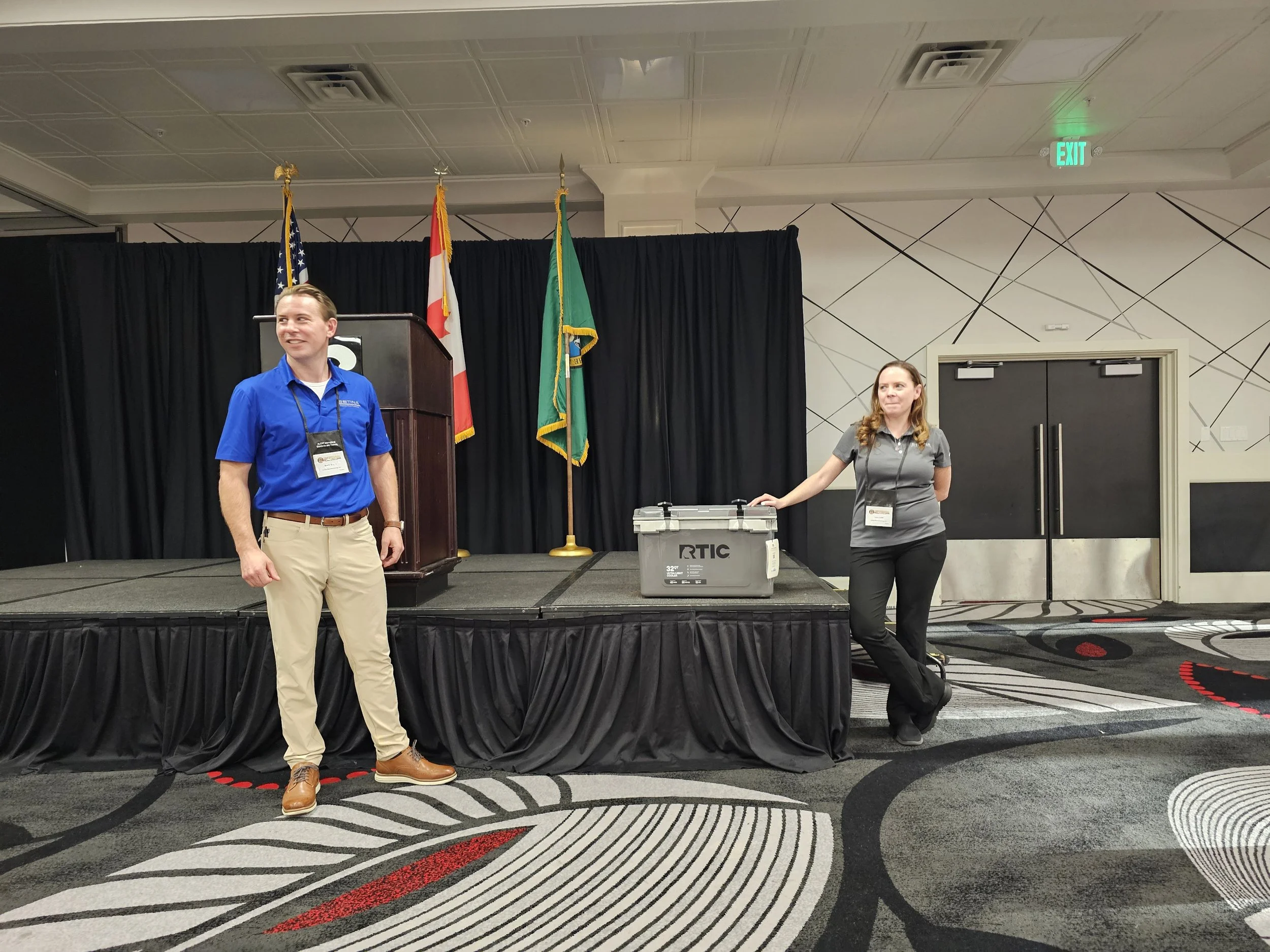
Opening Ceremony
- Welcome – ALERT President Geoff Bush
- U.S. National Anthem
- Canadian National Anthem
- Host Welcome - Chief Darin Schierbaum
- Opening Remarks – GPSTC, Director Chris Wigginton and Brian Stokes
- Briefing – Melissa Cicio
- Motivation - Nick Breul, National Law Enforcement Officers Memorial Fund


Below 100
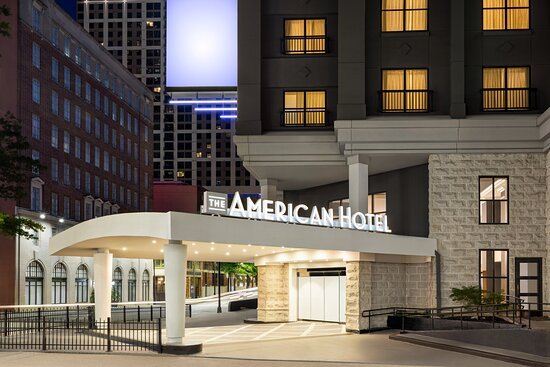
Dale Stockton and Geoff Bush lead a train the trainer session for Below 100. Location is the Grand Ballroom.
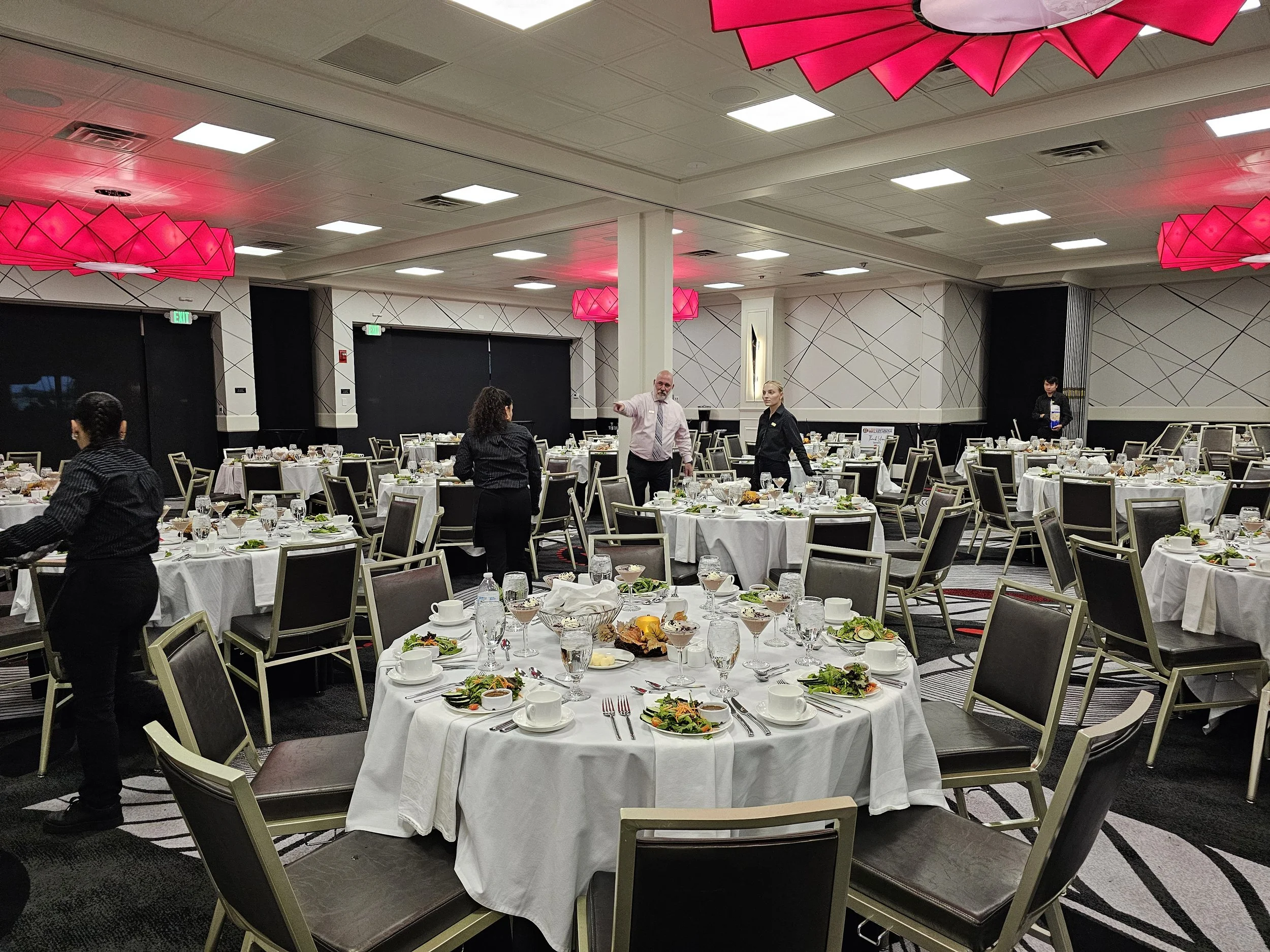
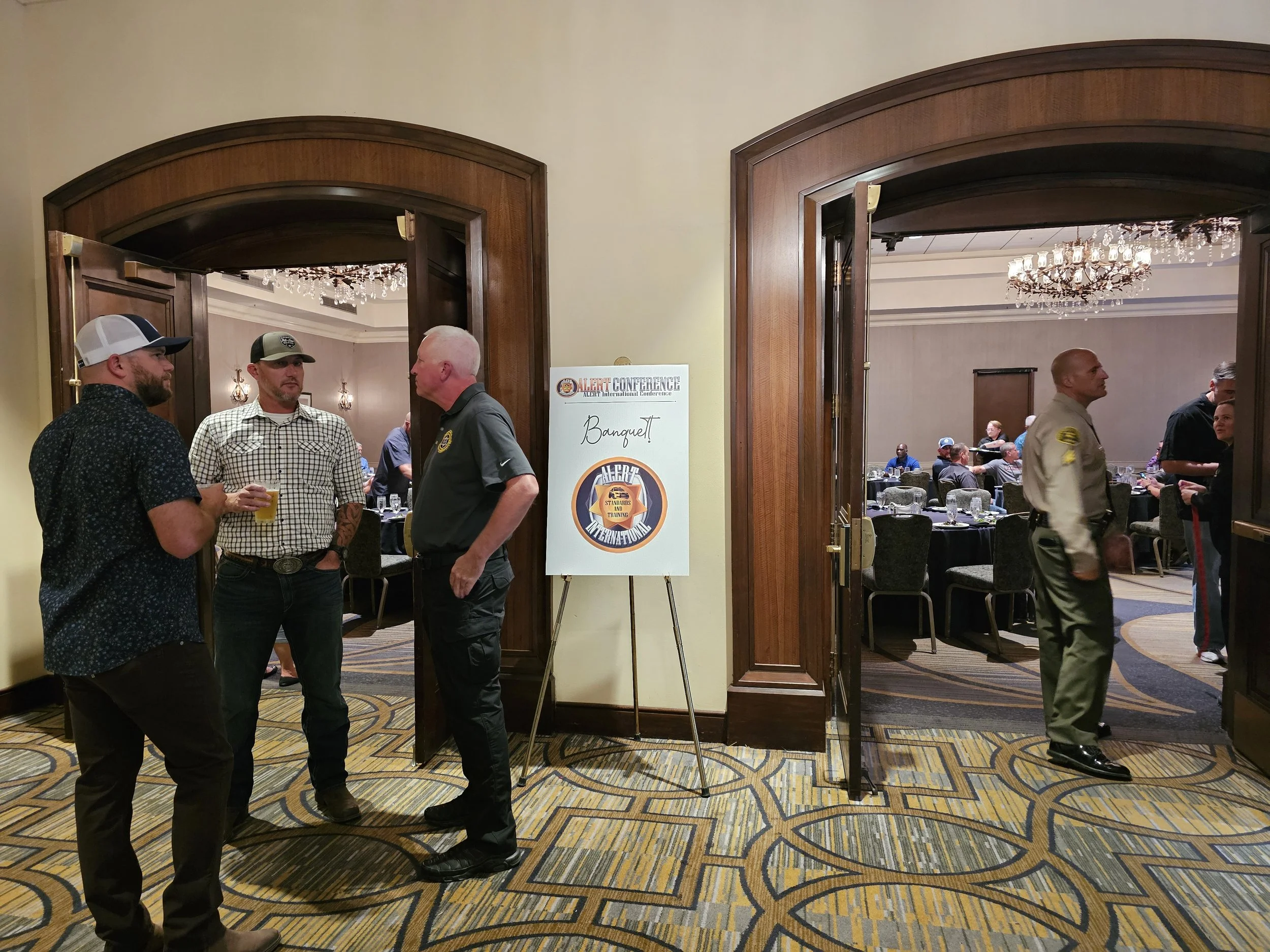
Dinner Banquet
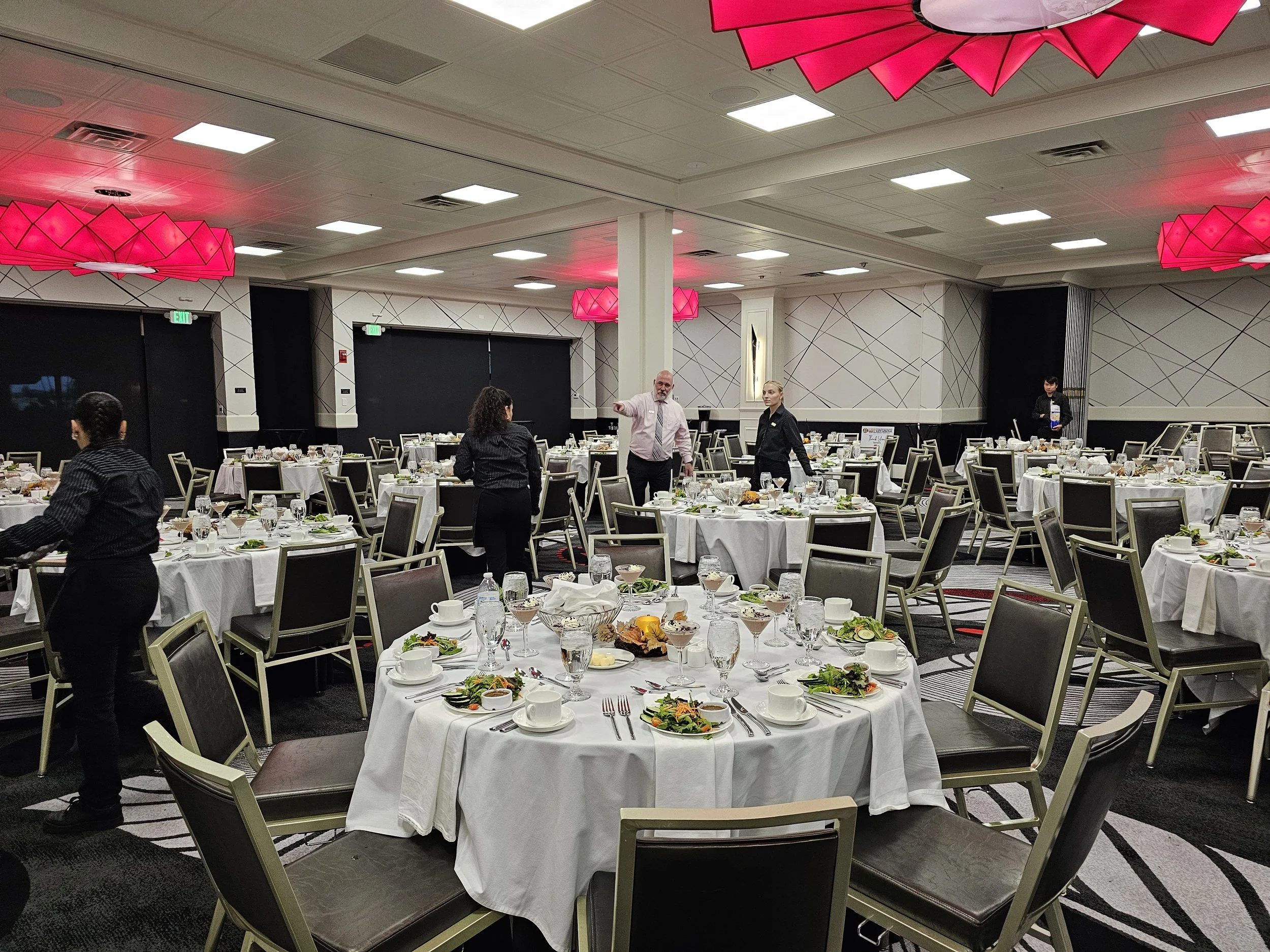
Dinner Banquet brought to you in part by LEHR and Dana Safety Supply.
We will hear from a guest speaker, enjoy dinner and culminate our scholarship raffle. Location is the Valancia Ballroom.


Wildfire Response and Debrief - Lessons Learned
LASD
This session details how our the Emergency Operations Bureau handled the recent wildfire situation. Explanation of what the EOB is and how can it help other agencies across the country.

Close Calls and Narrow Misses
LASD
Hear from a deputy who was involved in a life-changing accident on duty that changed his entire life. He was a patrol deputy working the tough neighborhoods. He will share about mindset, mental preparation, and what changed the path of his career.

Chasing the Law, Policy and Training on Vehicle Pursuits
Mildred “Missy” O’Linn, Manning Kass (LA Office) - Equity Partner
Discussion will center on legal decisions related to vehicle pursuits, policy issues and training requirements. Training will focus on practical risk analysis, tactical and training concerns in balancing the assessment of the threat to the community by action and inaction.

Lunch
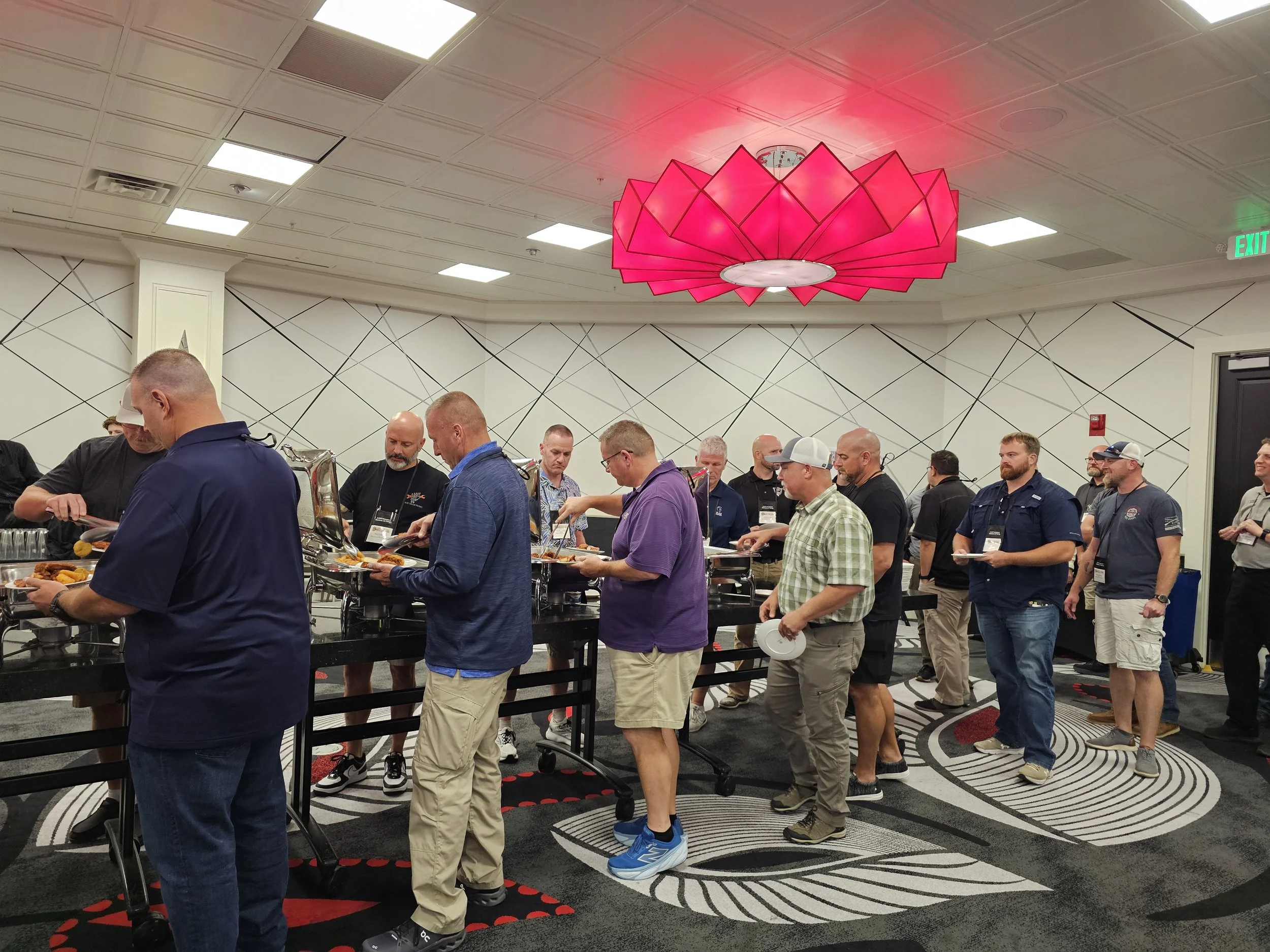
Fiesta lunch buffet provided by our friends at EvocTech and FAAC. Location is in the Valencia Ballroom.
Below 100 Update
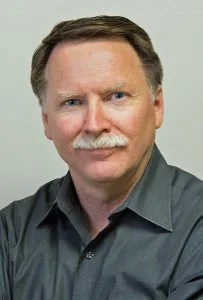
Dale Stockton
Mr. Stockton joins us to share a brif update about Below 100.
Mission: To influence law enforcement culture by providing innovative training and awareness, through presentations, social media, and webinars on identifying the leading causes and current trends in preventable line of duty deaths and injuries.
Risk Management for LE Trainers
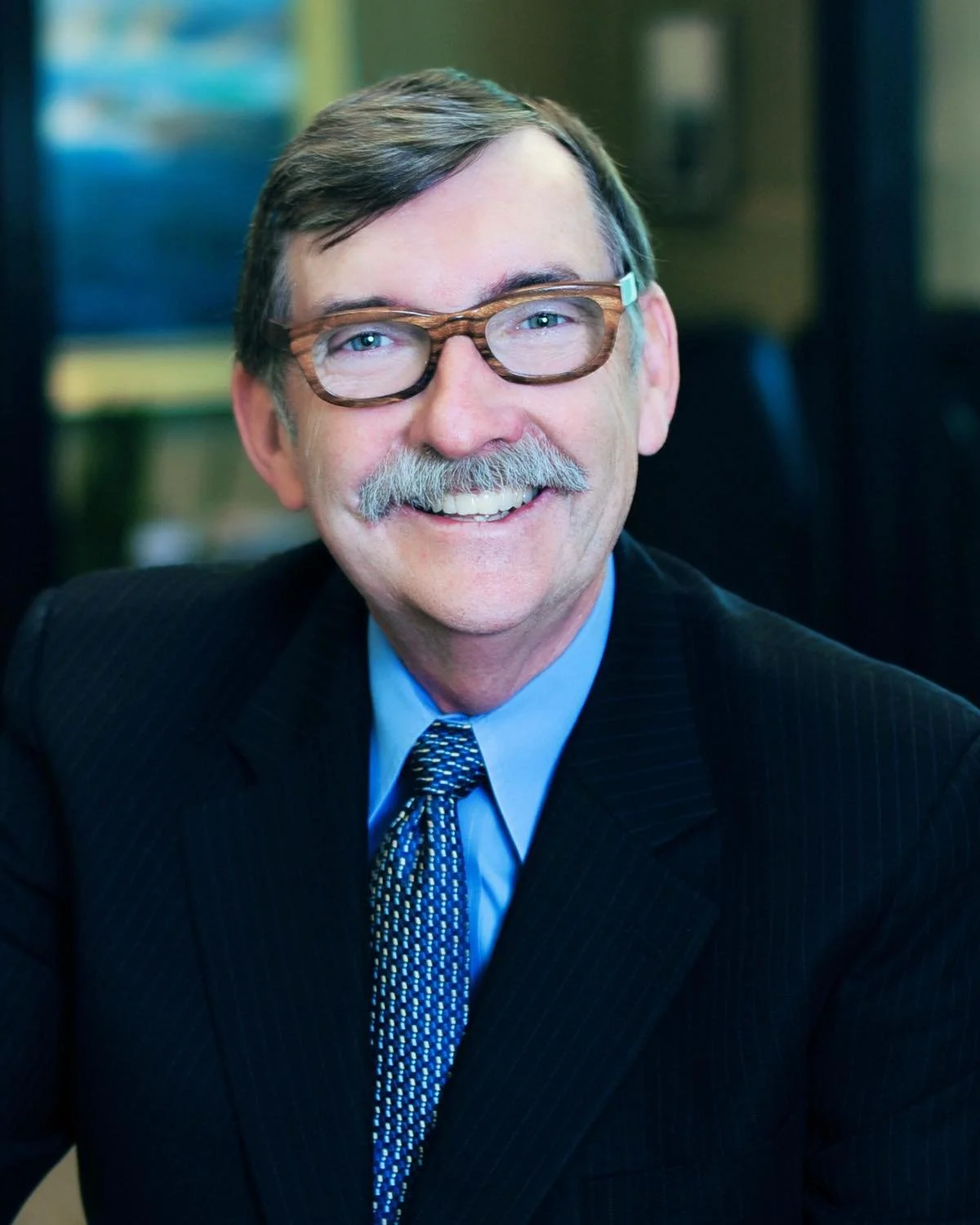
Gordon Graham
The vast majority of things that law enforcement officers do around our great nation end up without negative consequences. There is a reason why that is true. But when things do not go right, there are significant consequences. In this brief program, Gordon Graham will explain why things go right and why things go wrong in law enforcement operations. He will also explain the law enforcement trainer’s key role in giving personnel the knowledge, skill, and ability to prevent tragedies from occurring through lifelong learning that better ensures excellence is the norm - not the deviation. You will not be disappointed with the time you spend with Gordon Graham.


Track Day

Our friends at Federal Signal are once again sponsoring a fantastic track day experience for you. Breakfast items will be available (bagels/coffe) and lunch will be a taco truck.
7:00 am Depart for the Track
7:30 am Breakfast
8:00 am Track Events/Activities:
Opening
Comments
Overview
Flyover

Training Exercises
Collision Avoidance
EV/Patrol SUV Testing Pursuit
Easy Drift Challenge
Off-Road Course
Products
ALERT Vendors
Static displays
LASO Showcase
12:00 – 1:00 Lunch Provided
Taco Truck
1:00 pm Final Rotation
3:00 pm LASD Store
3:30 pm Dana Safety Supply
Live Fire Ballistic Demo
4:30 pm Track bus departs for hotel

Vendor Reception
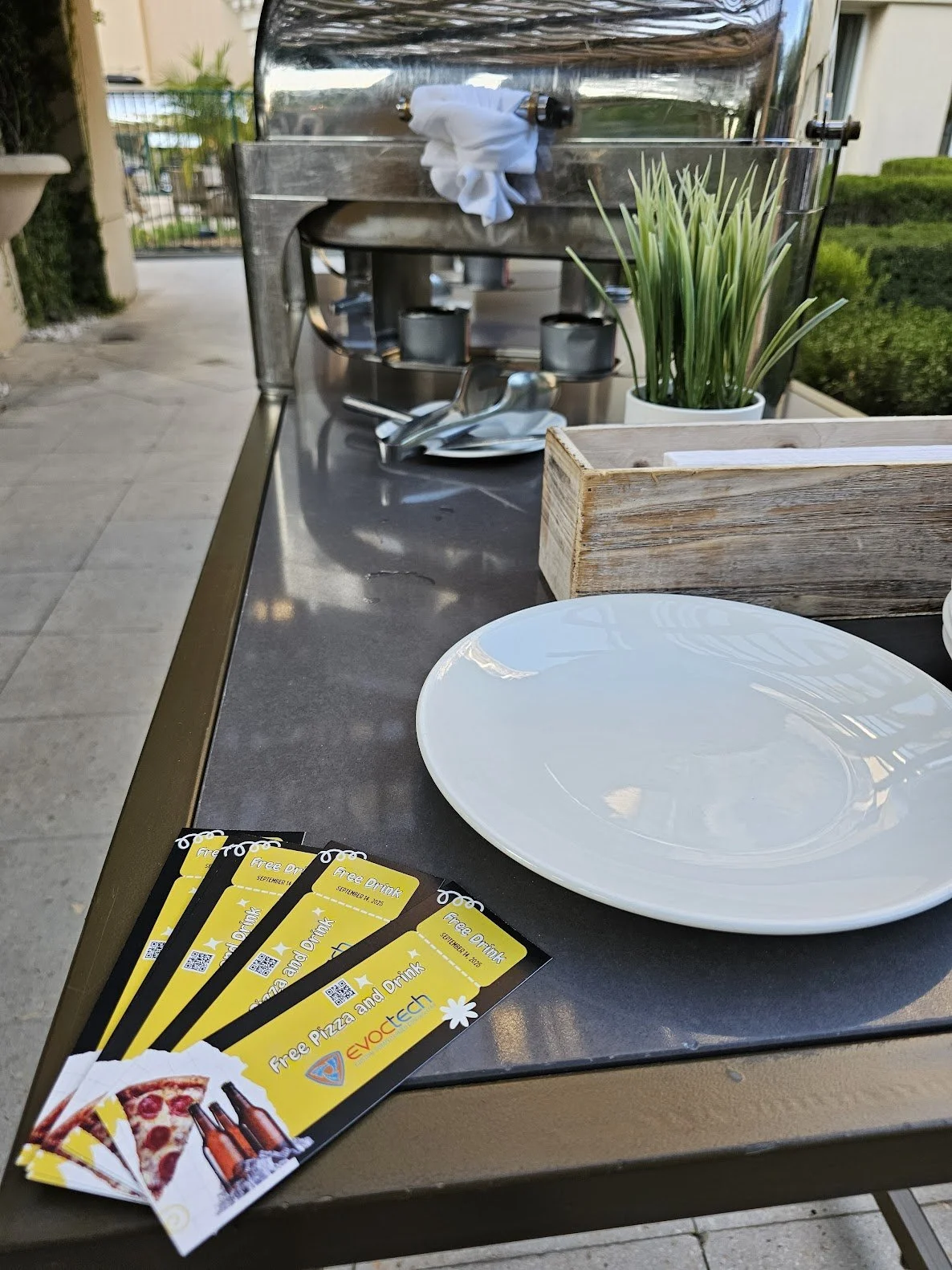
Reception hosted by Setina Manufacturing and EasyDrift Technology directly following our afternoon sessions in the vendor area. Take a moment to thank our friends from Setina Manufacturing and EasyDrift. Drink Ticket will be provided, special drawing and hors d’vors served butler style.

Be a Host
〰️
2027
〰️
Be a Host 〰️ 2027 〰️
Interested in HOSTING a future Training Symposium/Conference?
Complete a Conference Site Proposal form and forward it to info@alertinternational.com
Host Agency Duties and Responsibilities (Click Here)
Thank you for your support and consideration.